Overview
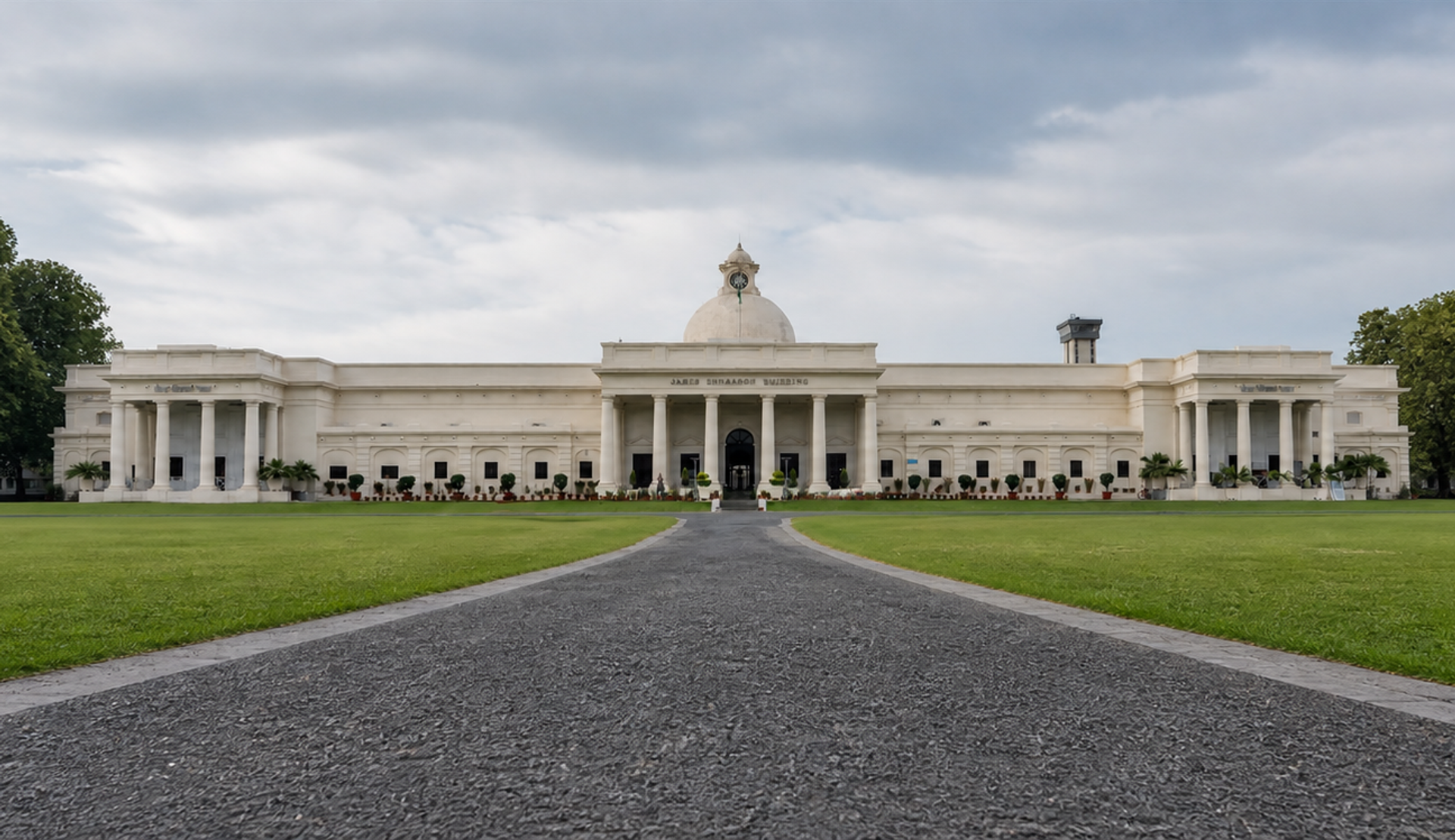
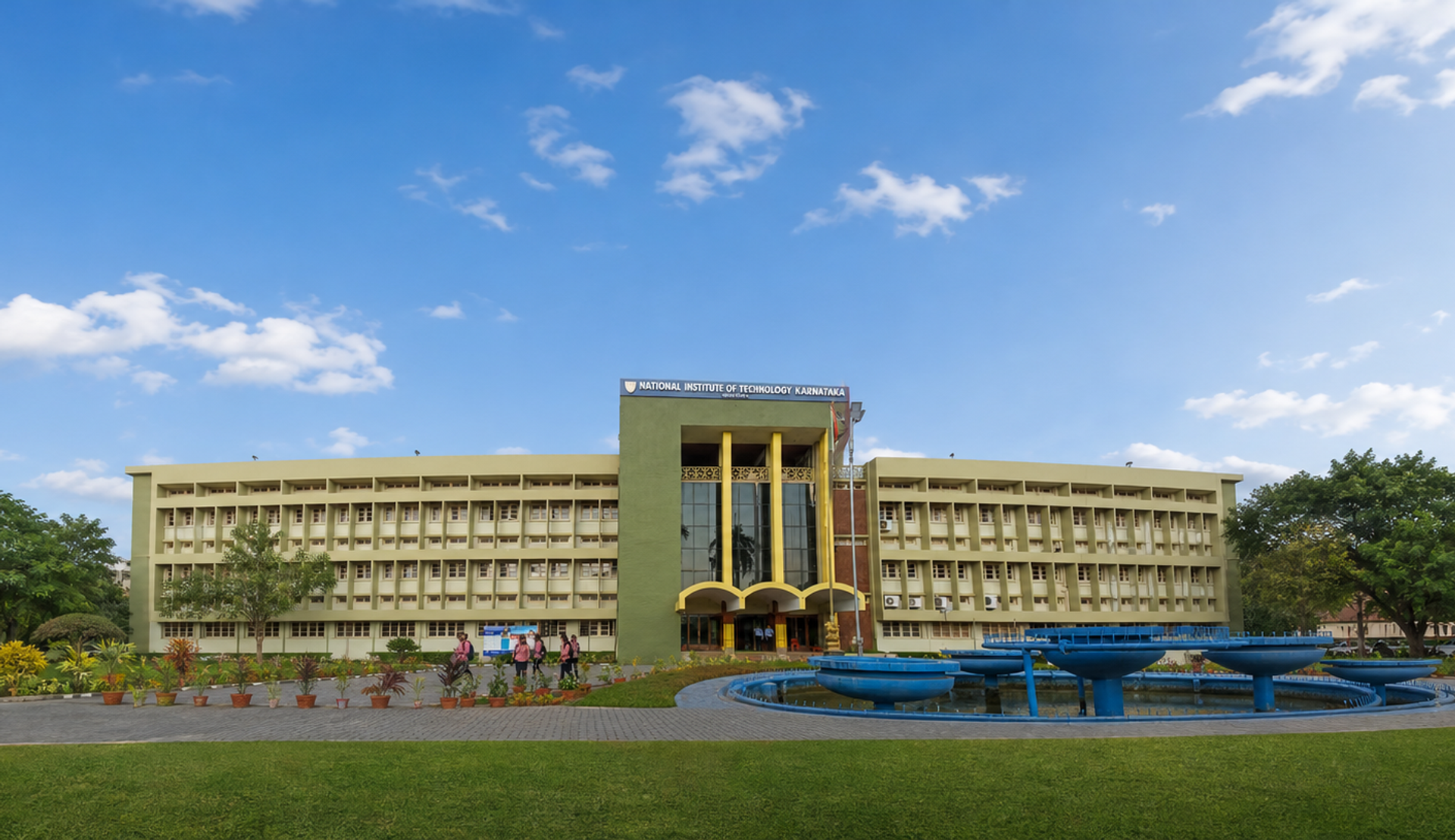
India has one of the world’s largest higher-education systems, comprising central universities, state universities, private universities, deemed universities, autonomous colleges and Institutes of National Importance. Its institutions offer undergraduate, postgraduate, doctoral, diploma, professional and short-course qualifications across engineering, science, technology, management, humanities and other disciplines.
The Study in India programme is a Government of India initiative designed to help international students discover recognised institutions, compare courses, submit applications, receive offers and coordinate student-visa and foreign-registration processes. The programme works with institutions that meet defined quality criteria involving accreditation, national rankings, statutory recognition or other institutional standards.
For students interested in aerospace and engineering, India offers access to aeronautical, aerospace, mechanical, electronics, avionics, computer science, artificial intelligence, material science, automotive engineering and related programmes. Programme quality, fees, facilities, admissions and career outcomes vary significantly by institution, so students should verify every course against official institutional information.
Why Study Here?
India offers a broad choice of academic programmes, including established engineering disciplines and developing areas such as artificial intelligence, machine learning, space technology, renewable energy and advanced manufacturing.
Many institutions use English as a principal language of instruction, although the exact teaching language must be confirmed for each programme. Students can study within a large academic ecosystem that includes universities, technical institutes, research organisations and institutions with links to major engineering and technology industries.
Tuition and living costs can be competitive compared with many other international study destinations. International students may also be eligible for institutional scholarships, Study in India support, fee waivers or government-funded schemes, depending on nationality, programme and institution.
India also provides exposure to a large and varied economy with established activity across aviation, space, information technology, manufacturing, automotive engineering, energy, infrastructure and research.
Education System
Higher education in India normally follows completion of twelve years of school education. Undergraduate degrees generally take three to five years, depending on the discipline. Engineering and technology bachelor’s degrees commonly take four years.
Postgraduate programmes usually follow an appropriate undergraduate qualification. Many master’s degrees take one or two years, although duration varies by subject and institution. Doctoral programmes involve advanced research and lead to a PhD.
India’s institutions include central universities established through Parliament, state universities established through state legislation, private universities, deemed universities and Institutes of National Importance. Colleges may be affiliated with universities or operate with autonomous academic powers.
The University Grants Commission oversees standards and recognition across much of the university system. Technical education is also influenced by statutory and professional bodies such as the All India Council for Technical Education. Applicants should confirm that both the institution and qualification are properly recognised.
Student Visa Overview
International students normally require admission to a recognised full-time programme before applying for an Indian student visa. Applicants using the Study in India system must register for a Study in India identification number, apply to an institution and receive a formal offer before completing the relevant visa process.
Common documentation includes a valid passport, photographs, proof of address, the completed visa form, a formal admission letter, institutional information, proof of fee payment and evidence of sufficient funds. Requirements may vary by nationality and Indian diplomatic mission.
A student visa may be issued for the duration of the course or for up to five years, depending on the programme and the decision of the relevant authority. A visa is not guaranteed merely because an institution has issued an admission offer.
Students whose visa or stay requires foreigner registration must complete the applicable FRRO or e-FRRO procedure. Study in India advises relevant international students to register within fourteen days of arrival.
Post-Study Work
India does not currently provide a general automatic post-study work visa merely because an international student has graduated from an Indian institution.
A graduate who wants to remain in India for employment must qualify under an appropriate immigration or employment category and obtain the required permission. Eligibility depends on the role, employer, salary, qualifications, nationality and immigration rules operating at that time.
Students should not assume that completing an Indian qualification guarantees permission to remain and work. Current requirements should be checked with the Government of India, the relevant Indian mission and a qualified immigration adviser before making decisions.
Scholarships
International students may find scholarships, fellowships and institutional fee waivers through the Study in India programme, participating universities, the Indian Council for Cultural Relations and other government or institutional schemes.
Available support can depend on nationality, academic performance, study level, subject, institution and the rules of the specific funding programme. Some awards cover only part of tuition, while others may include tuition, living support or additional allowances.
Scholarship availability changes by academic year. Applicants should verify eligibility, coverage, conditions, renewal requirements and deadlines directly through the official scholarship provider before relying on an award.
Application Timeline
Stage 1
Research countries, institutions and programmes
12–18 months before the intended intake
Compare recognised institutions, programme content, entry requirements, total costs, accommodation, location, accreditation and career relevance.
Stage 2
Prepare academic and identity documents
9–12 months before the intended intake
Prepare passports, transcripts, certificates, translations, English-language evidence, financial documents and any subject-specific materials required by the institution.
Stage 3
Register and submit applications
6–10 months before the intended intake
Create the required Study in India account and identification number where applicable, select programmes and submit complete applications before institutional deadlines.
Stage 4
Review offers and funding
4–8 months before the intended intake
Compare admission conditions, tuition, scholarships, fee waivers, accommodation and refund rules before accepting an offer and making payments.
Stage 5
Apply for the student visa
2–4 months before travel
Use the official visa process, submit the admission and financial documents requested by the relevant Indian mission and allow sufficient time for additional checks.
Stage 6
Complete arrival and registration requirements
Immediately after arrival
Report to the institution, complete enrolment and accommodation formalities, and complete FRRO or e-FRRO registration within the required period where applicable.