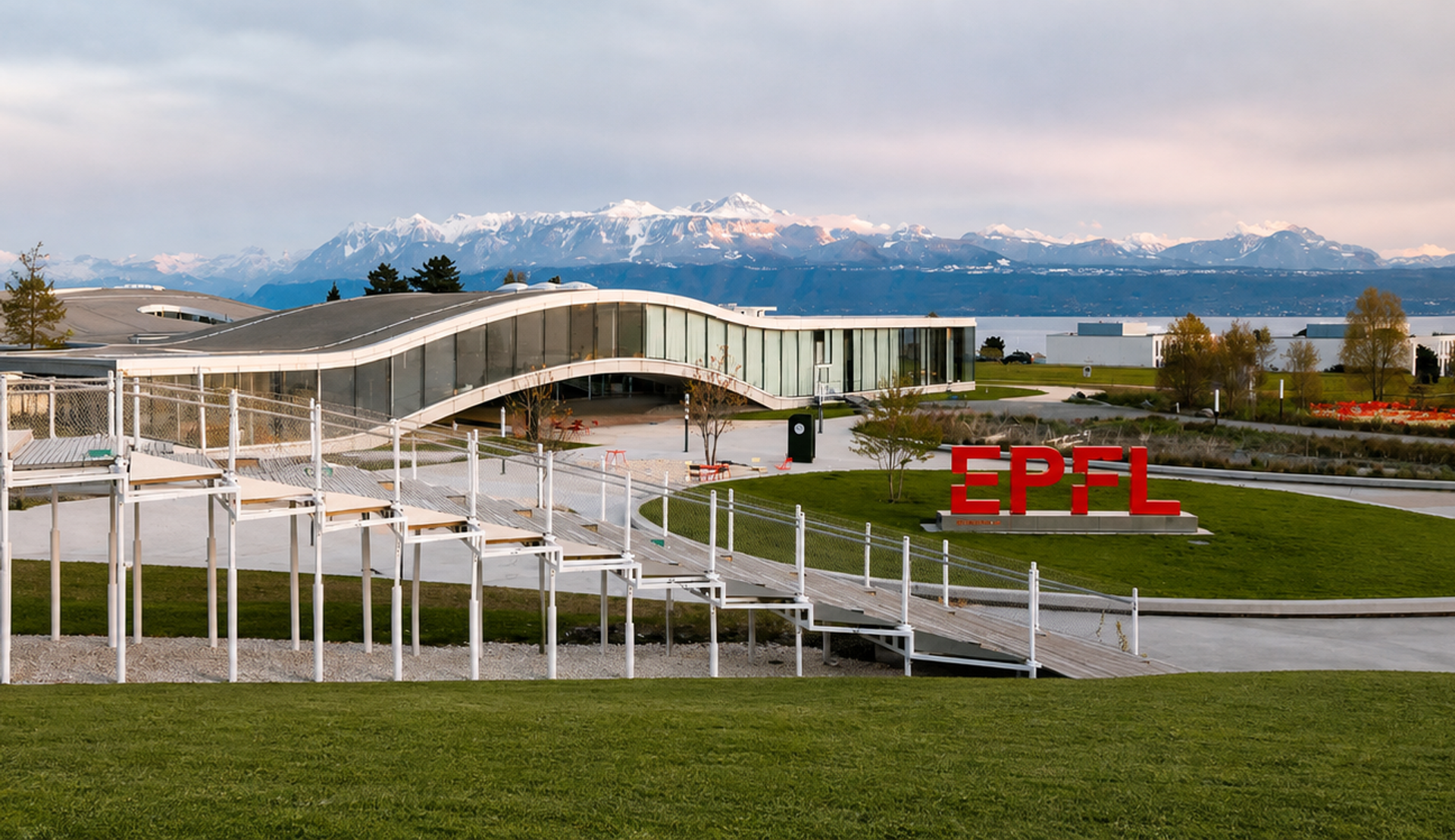

Overview
Switzerland’s higher-education system includes cantonal universities, federal institutes of technology, universities of applied sciences and teacher-education institutions.
Academic education is provided across German-, French-, Italian- and English-language environments. Many master’s and doctoral programmes use English, while undergraduate language requirements depend on the institution and canton.
Switzerland has major strengths in aerospace-related research, mechanical engineering, robotics, computing, materials, energy, precision manufacturing and sustainability.
Why Study Here?
Switzerland offers research-intensive institutions, internationally connected laboratories and proximity to technology, engineering, finance and scientific organisations.
Universities of applied sciences provide practical and industry-oriented education, while research universities and federal institutes emphasise advanced academic and scientific work.
Public tuition can be moderate, but living costs are among the highest in Europe.
Education System
Bachelor’s degrees normally require 180 ECTS credits and commonly take three years. Master’s degrees generally require an additional one-and-a-half to two years.
Doctoral education is usually offered through research universities and federal institutes. Universities of applied sciences focus more strongly on professional and applied education.
Admission, language and recognition requirements differ by institution and applicant qualification.
Student Visa Overview
EU and EFTA citizens follow different mobility and registration rules from third-country nationals. Most non-EU/EFTA students need the relevant entry visa and residence authorisation.
Applicants normally require admission, proof of finances, accommodation information, insurance and evidence that study is the principal purpose of residence.
Canton-specific procedures and financial expectations can differ, so students must consult the responsible Swiss representation and cantonal migration authority.
Post-Study Work
Non-EU/EFTA graduates of recognised Swiss higher-education institutions may generally receive a limited period to seek qualifying employment.
Employment authorisation remains subject to Swiss labour-market and immigration rules, and graduation does not guarantee long-term permission.
Students should verify current federal and cantonal requirements before relying on a post-study route.
Scholarships
Funding includes Swiss Government Excellence Scholarships, institutional excellence awards, research funding and university-specific grants.
Swiss Government Excellence Scholarships primarily target postgraduate researchers and artists rather than serving as a universal taught-degree scholarship.
Students should verify whether tuition, living expenses, insurance and travel are covered.
Application Timeline
Stage 1
Research institutions, programmes and teaching language
12–18 months before the intended intake
Compare research universities, federal institutes and universities of applied sciences, including teaching language, academic focus and total costs.
Stage 2
Confirm qualification recognition
10–14 months before the intended intake
Check whether previous qualifications satisfy institutional admission requirements and whether additional examinations or preparatory study are required.
Stage 3
Submit university and scholarship applications
8–12 months before the intended intake
Submit academic documents, language evidence, references and scholarship applications before the relevant deadlines.
Stage 4
Arrange finances, insurance and accommodation
4–8 months before the intended intake
Prepare financial evidence, health-insurance arrangements, accommodation plans and tuition or semester payments.
Stage 5
Apply for the visa and cantonal authorisation
3–5 months before travel
Complete the relevant Swiss representation and cantonal immigration procedures using the admission and financial documents.
Stage 6
Complete registration after arrival
Immediately after arrival
Register with the relevant local authority, complete institutional enrolment and finalise residence and insurance requirements.